

High-fidelity Cas12 nuclease protein for therapeutic gene editing
hfCas12Max is a high-fidelity CRISPR nuclease engineered for therapeutic genome editing. It offers high on-target and low off-target editing across various cell types. Its small size and broad PAM sequence recognition make it an ideal choice for both ex vivo and in vivo CRISPR-based therapeutic development, allowing you to edit more of the genome with confidence.
hfCas12Max nuclease is an engineered, high-fidelity Cas12i nuclease that offers a proven foundation for therapeutic development. Its broad PAM recognition, high specificity, and compact size enable efficient editing across a wide range of cell types and delivery modalities, including LNPs and AAVs.
hfCas12Max delivers consistently strong on-target activity with minimal off-target editing, making it a safer nuclease alternative for developing ex vivo or in vivo therapies. Its broad PAM profile expands access to genomic regions that are inaccessible to traditional nucleases, while its small size (1080 aa) supports simplified formulation and packaging for therapeutic delivery. With performance across various cell types, including primary T cells and iPSCs, hfCas12Max is positioned to accelerate the development of innovative CRISPR-based therapies.
High Fidelity:
Minimal off-target editing with strong on-target efficiency for safer therapeutic development.
Broad PAM Recognition:
Broad PAM compatibility supports expanded genomic targeting.
Compact Nuclease Size:
At 1080 amino acids, hfCas12Max is optimized for delivery via LNPs and AAVs.
Performance Across Cell Types:
Efficiency in primary T cells, iPSCs, and other key therapeutic cell populations.
Engineered for Therapeutic Use:
Designed to support both ex vivo and in vivo genome-editing workflows.
| Product Number | R20HFCAS12MAX |
| Concentration | 2.93 mg/mL 10 mg/mL |
| Intended Use | This product is intended for research use only |
| Shipping Conditions | Cold Pack |
| Buffer Composition | 30mM Tris, 350mM NaCl, 50% Glycerol, 0.1mM EDTA, 1mM DTT, pH 8.0 |
| Source | E. coli |
| Purity | ≥ 95% |
| Delivery Format | Tubes |
| Function | Enables high-fidelity gene editing with an expanded targeting range through direct delivery of a ribonucleoprotein (RNP) complex. |
| For Use In | CRISPR gene editing experiments utilizing the hfCas12Max recombinant protein nuclease |
| Storage Temperature | -20 C |
| Specification | hfCas12Max |
|---|---|
| Size | 1080 amino acids |
| PAM Sequence (N = any nucleotide) | 5'-TN-3' or 5'-TTN-3' |
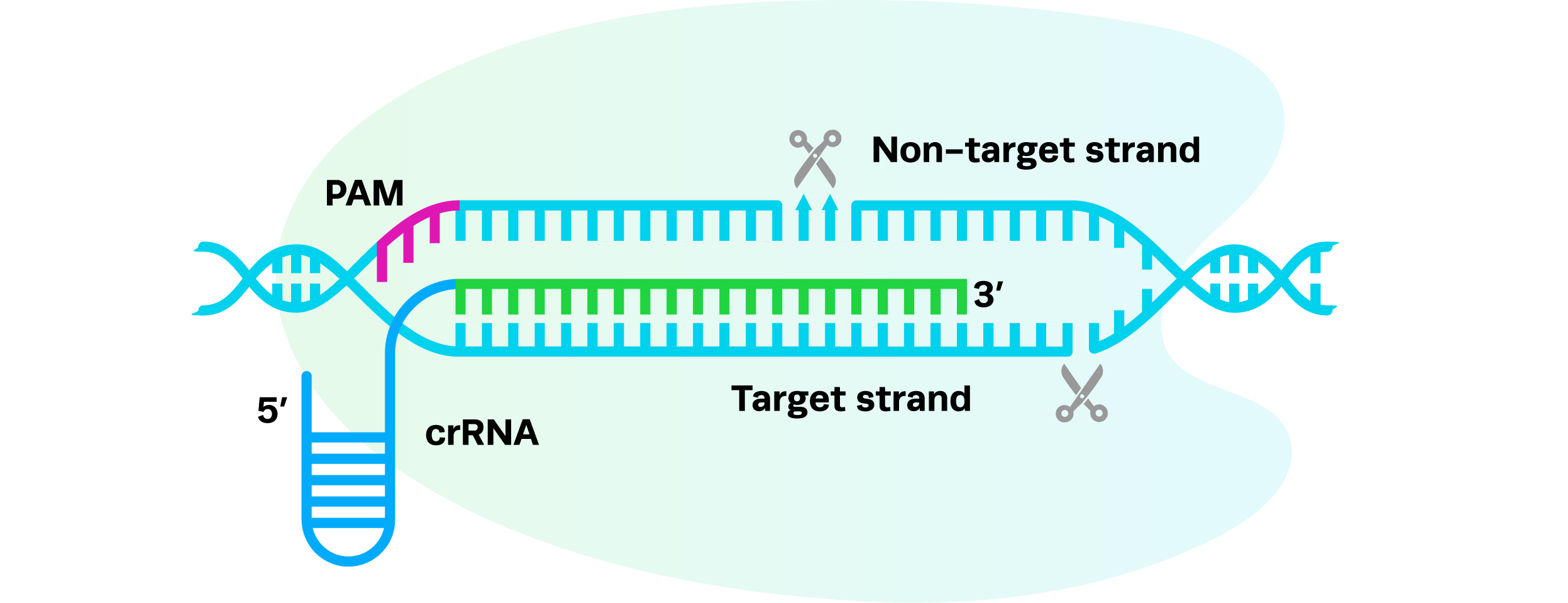
| DNA Cleavage | Staggered-cut: cleavage on the target strand occurs 24 nt downstream from the PAM, while the non-targeted strand is cut 14-16 nt downstream |
| Endonuclease Domains | RuvC |
| gRNA Length | 44 - 50 nt (crRNA only, no tracrRNA) |
| Target Sequence Length | 20 nt |
| Enzyme Class | Type V CRISPR-Cas system of Cas12 |
For CRISPR gene editing, hfCas12Max nuclease is unique in that it requires only a crRNA, eliminating the need for a tracrRNA. Its gRNA is compact, 44–50 nt in length, with a 17–23 nt target genomic sequence. When complexed with our Research gRNA, hfCas12Max’s single RuVC domain nicks the non-target strand and creates a staggered cut on the target strand, with cleavage predicted 14–16 nt and 24 nt downstream of the PAM site for the non-targeted and targeted strands, respectively.
To design hfCas12Max gRNA, upload the 5'-TN-3' or 5'-TTN-3' PAM sequence into your favorite guide design platform. Once designed, we can quickly synthesize your hfCas12Max gRNA, including chemical modifications that enhance editing efficiency, so you can begin experiments without delay.
| Gene Name | hfCas12Max Target Sequence |
|---|---|
| B2M | TATCTCTTGTACTACACTGA |
| TRAC | GAGTCTCTCAGCTGGTACAC |
The following modifications are included on our hfCas12Max modified gRNA:
2'-O-Methyl analog at the first 3 bases. The last 4 bases have 3 modifications ending with a nonmodified base. With 3' phosphorothioate bonds between 3 first and last 4 bases.
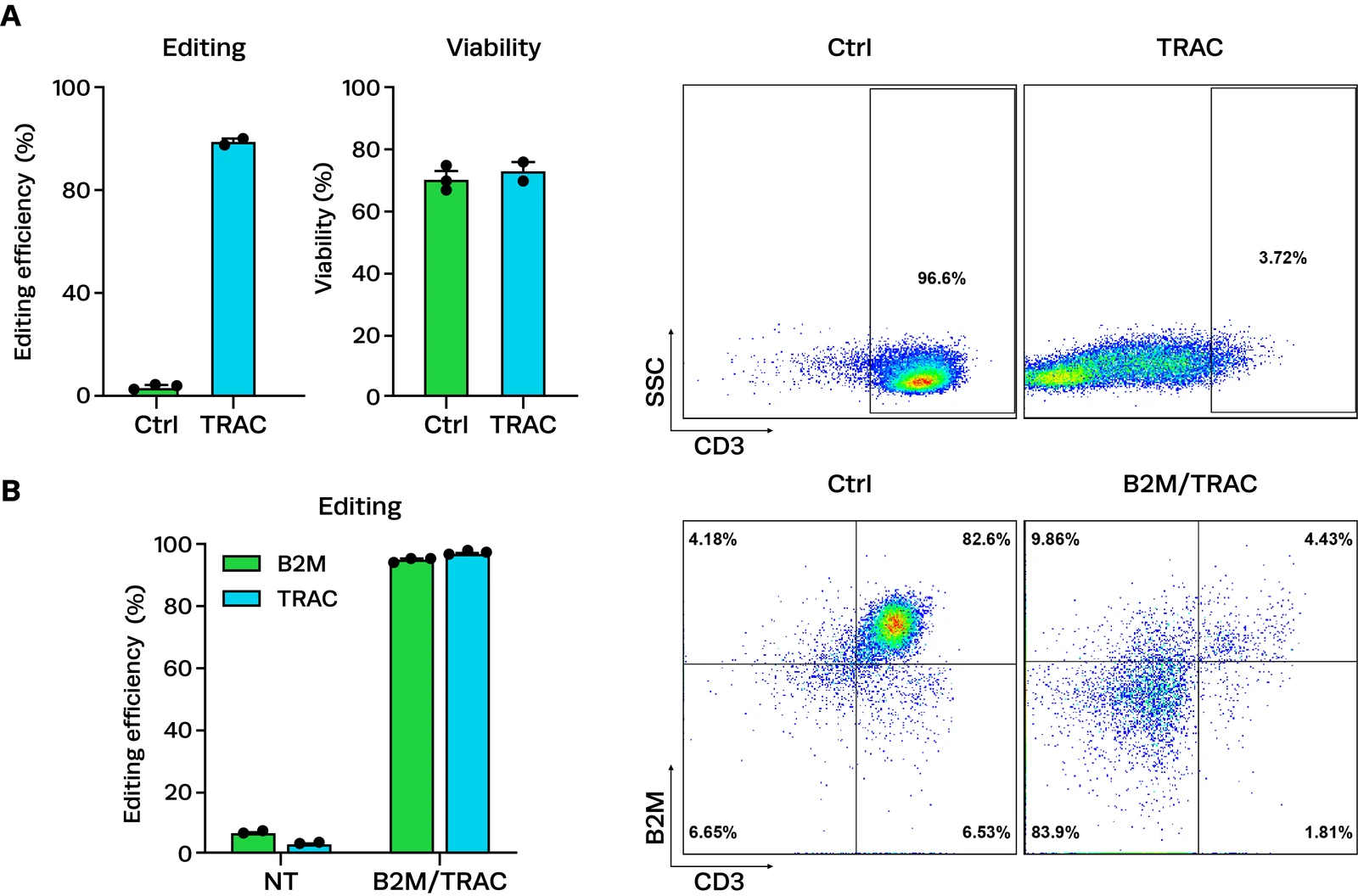
Maintaining editing efficiency without sacrificing viability is especially challenging in difficult cell types like primary T cells. hfCas12Max nuclease demonstrates high editing with preserved viability across multiple therapeutically relevant cell types.


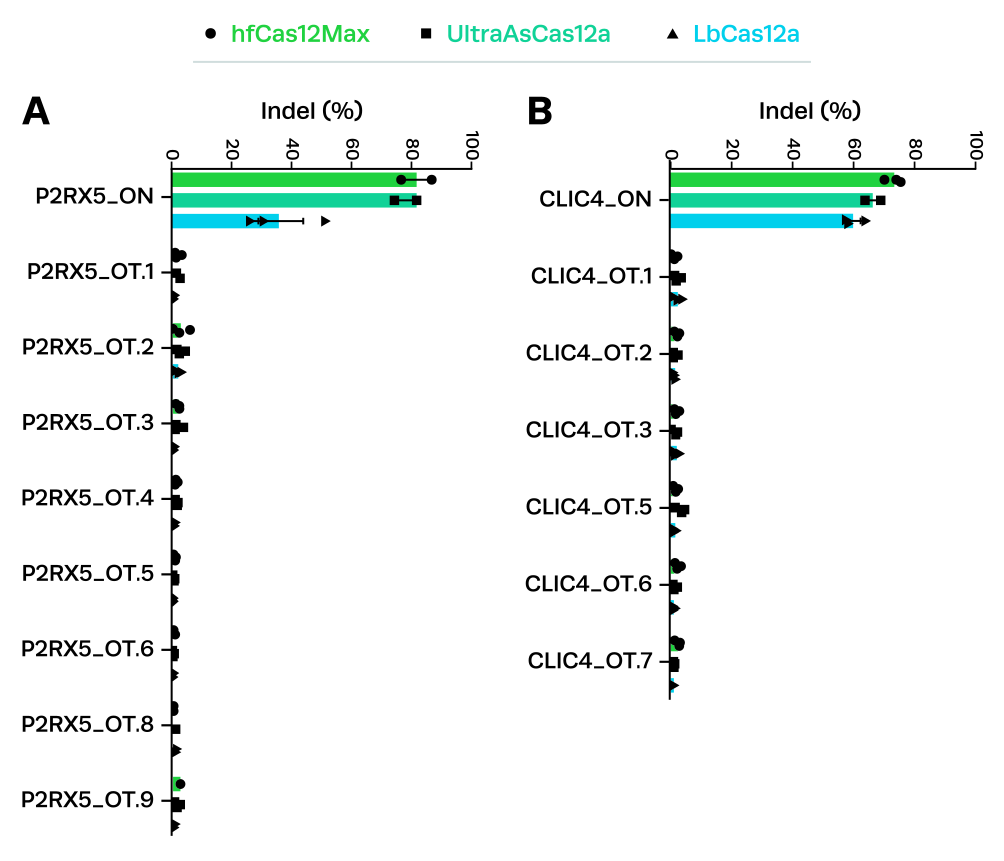
Nucleases with low target specificity can cause unwanted edits. hfCas12Max delivers high on-target efficiency with minimal off-target activity, supporting safer and more reliable therapeutic development.
Check out the science behind how hfCas12Max nuclease was engineered for therapeutic application.
The publication highlights the development of hfCas12Max nuclease, an engineered high-fidelity variant of the Cas12i system, optimized for therapeutic application. Engineered using a unique platform, hfCas12Max nuclease achieved superior editing efficiency, has a broad PAM sequence recognition profile, and demonstrated a significant reduction of off-target effects. These achievements make hfCas12Max nuclease particularly well-suited for therapeutic applications, as demonstrated through its effective use in ex vivo T-cell editing and in vivo delivery gene editing showcasing its potential to address genetic disorders and drive CRISPR-based therapies.
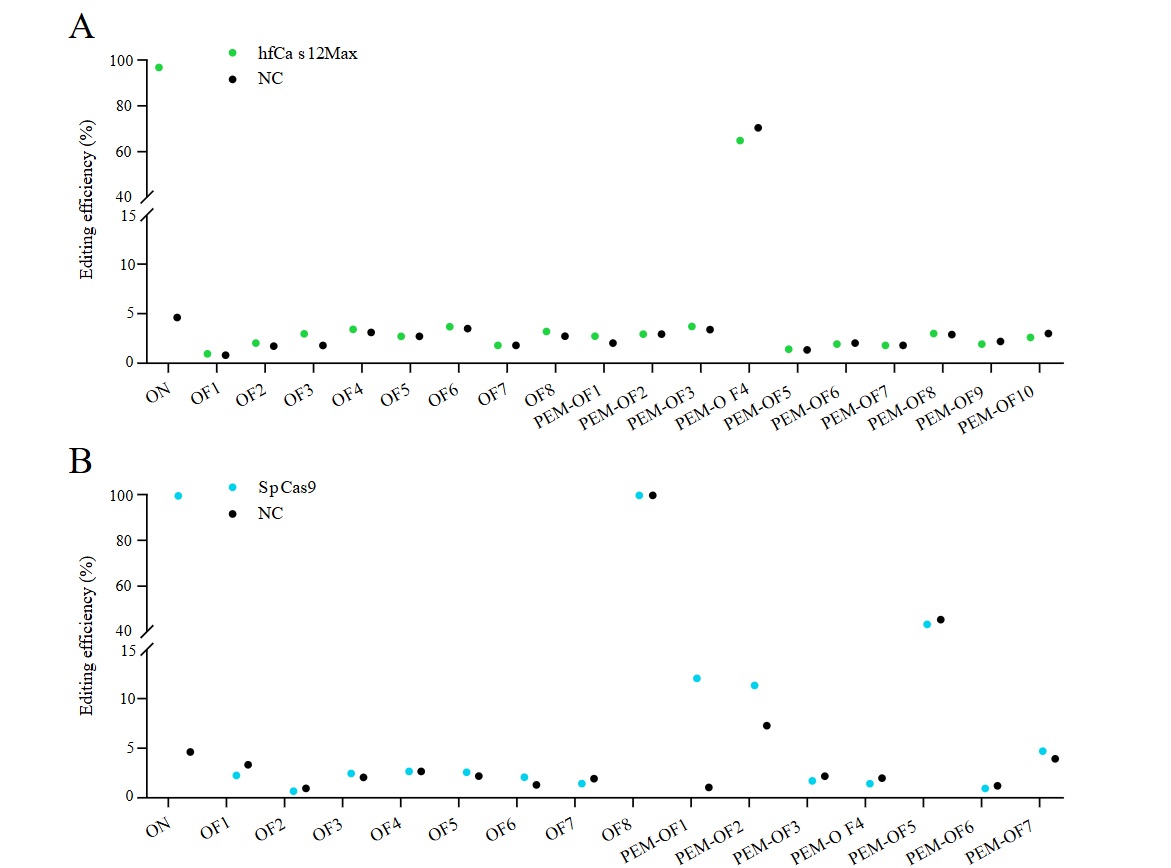
Strict PAM requirements can limit where edits are possible, making it difficult to target your region of interest. hfCas12Max features a broad PAM recognition profile, enabling editing across a wider range of genomic sites, including AT-rich regions.

If you have additional questions please connect with a member of our team.
 Cart
Cart
 Account
 Your Orders
 Sign In